
Top 3 Charter Boat Destination from the Aegean to the Mediterranean
Charter yachts in the Mediterranean
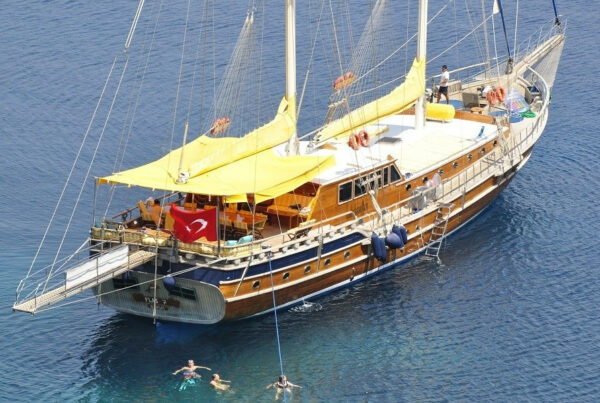
There are roughly a dozen major harbors and charter boat destination in Turkey that are used for gulet charter, including Antalya in the Eastern Mediterranean. The area we’re talking about is what’s known as the ancient Carian Coast, and it dates to the eleventh century B.C. You’ll discover that a variety of itineraries may be built from each of these amazing locations for a special yacht holiday experience.
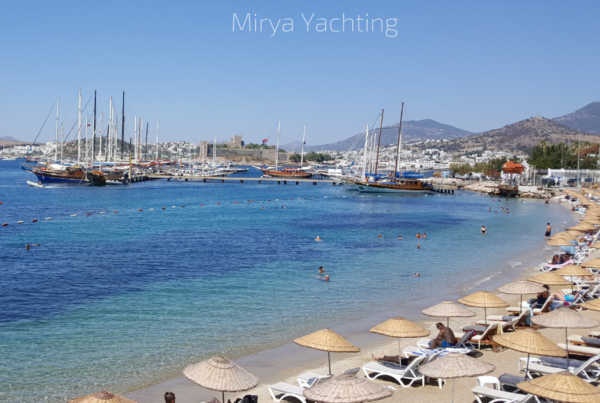
Bodrum is full of the wonders of history and holds a past of many civilizations, from Alexander the Great to Suleyman the Magnificent. Bodrum is located in the Aegean Sea, although many tourists consider it to be a stop on a Mediterranean cruise. It is situated on the Gulf of Gokova at the southernmost point of the Bodrum peninsula. Bodrum was well renowned for holding the Mausoleum of Mausolus, one of the Seven Wonders of the Ancient World, and was formerly known as the Halicarnassus of Caria.
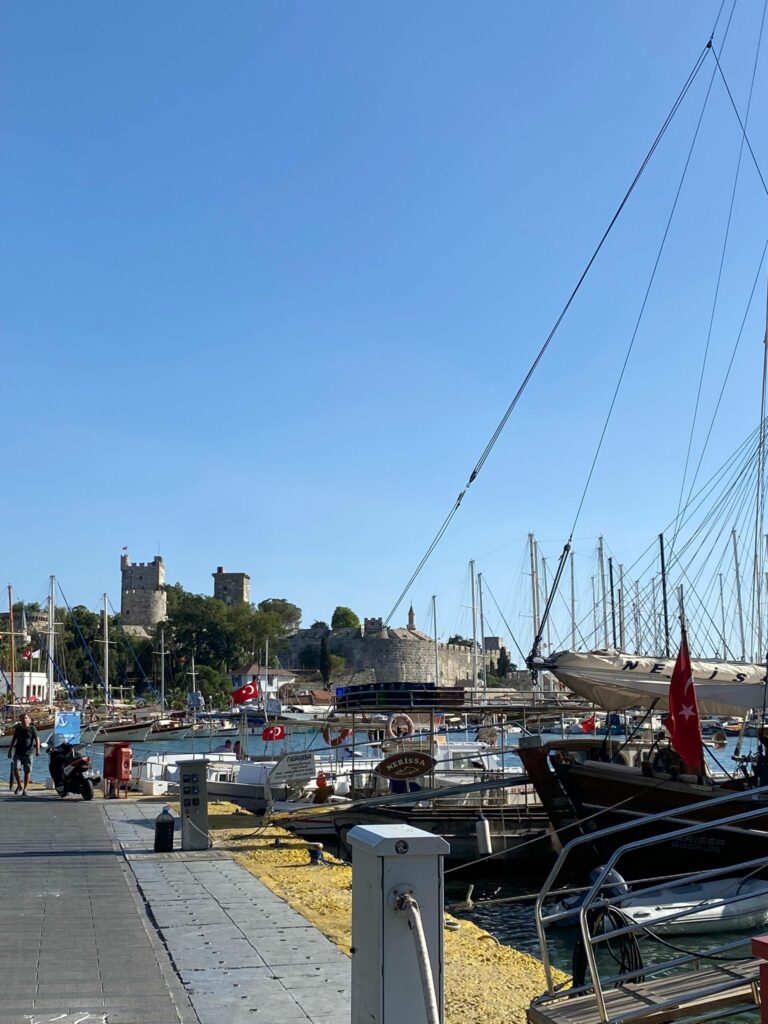
Bodrum Castle View
This vibrant beachfront city is ideally located for arrivals and departures for yacht charter vacations in Southern Turkey. Bodrum’s proximity to the Milas airport, one of its many advantages, makes it a handy site to begin your vacation. Bodrum is the starting point for a wide variety of itineraries, including gulet blue cruises to Crete and farther south to the Greek Islands of the Dodecanes, Cyclades, and Sporades.
Marmaris is where the east meets the west; and where the Aegean joins the Mediterranean – the centre of it all in yacht charter vacations. From Marmaris, there are so many different destination that one can travel to the west or the opposite direction to the east and uncover a wealth of scenic, historical, and cultural treasures. Marmaris was known in history as Physkos, a component of the Carian period, and as the hub of the Carian Coast. A historic stronghold that Alexander the Great once overran sits at the top of the area known as the “Old Town.” It is currently a museum with several historical relics displayed in seven galleries and a courtyard.
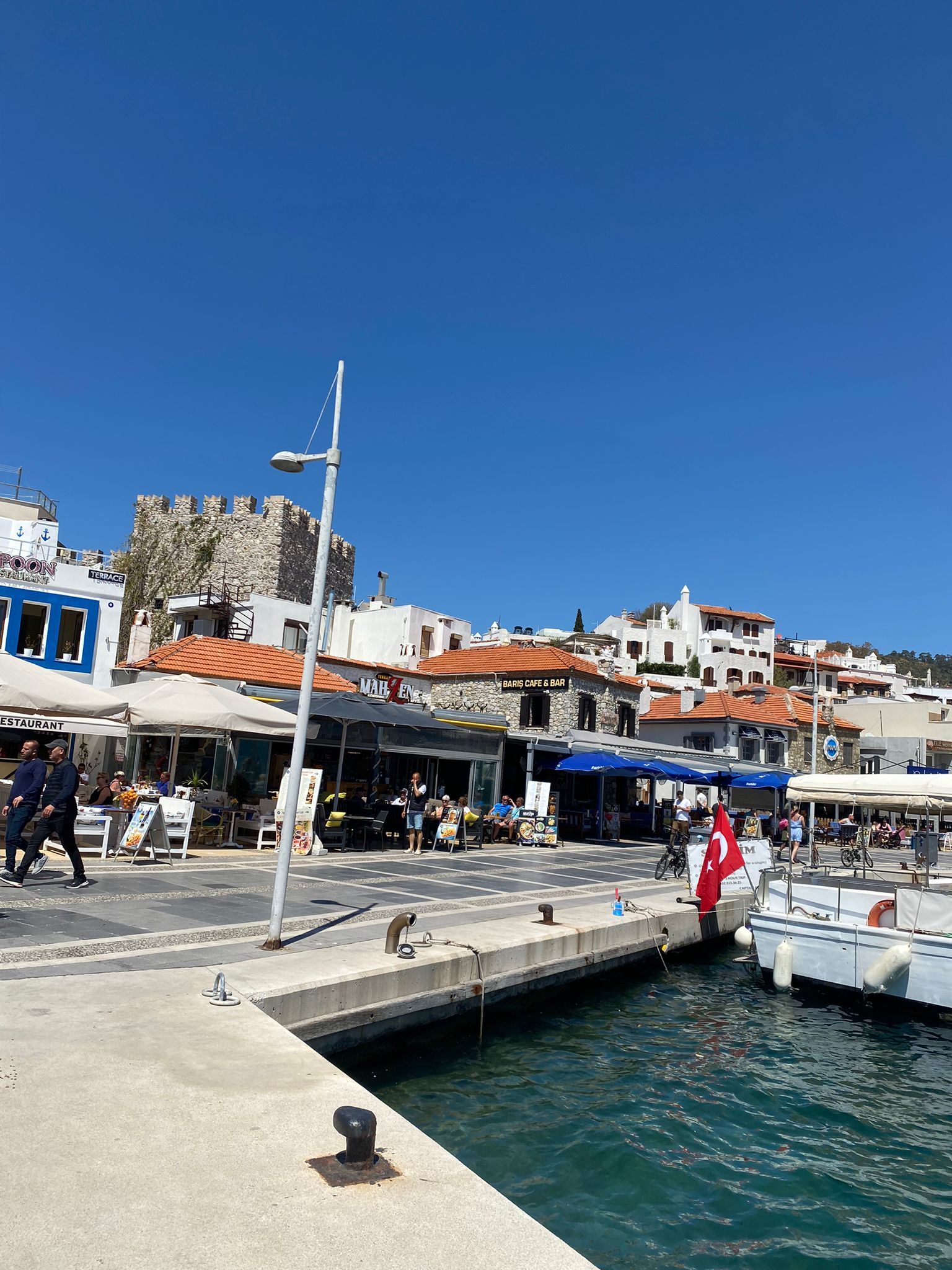
Marmaris Castle view
There is a huge amount to see and do in Marmaris, including diving, sailing, cruising, and a lot more. Every year, the city welcomes visitors of all kinds with its markets, bazaars, nightlife, magnificent waterfront restaurants, and, of course, the charming villages and towns situated along the Bozburun peninsula. Marmaris is a popular wintering destination and is home to 4 significant marinas, drawing many yachtsmen there each year.
A sizable number of charter boats set off on blue cruises from Marmaris, heading in the directions of Gocek, Fethiye, and Antalya in the east, down to the Greek Islands in the south, and west to Datca and Bodrum. Undoubtedly, Marmaris is on of the top destinations for all types of boat charters.
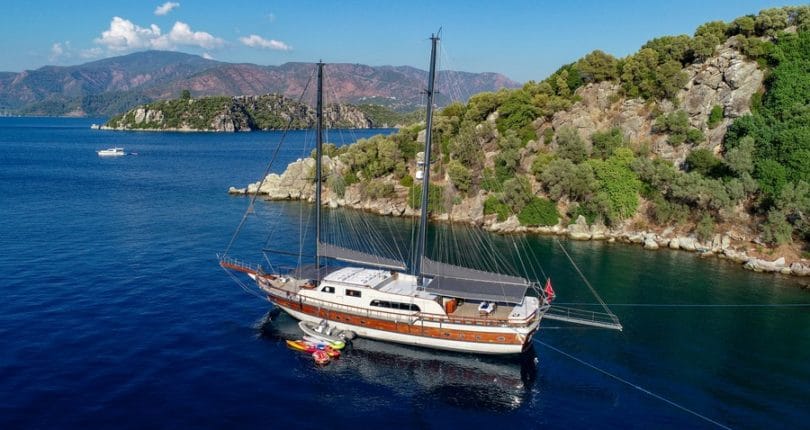
Gocek is a charming town with 6 important marinas that attract yachtsmen from all over the world as a prime point of call. Gocek Town’s harboring of islands and coves in a sizable, isolated bay makes it one of its most distinguishing characteristics and makes it ideally suited for sailboat tourism. During the mid- to high-season, it is a very popular starting and ending charter boat destination for blue cruises, and it is extremely busy with boat traffic.
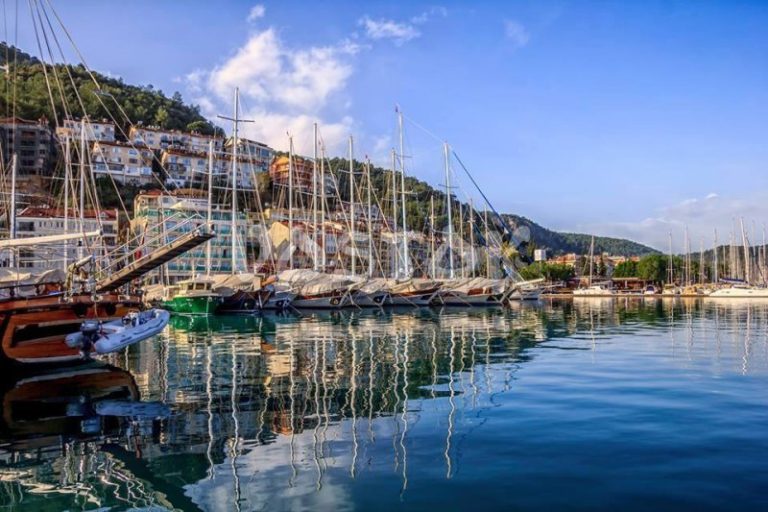
Fethiye port, Turkey
The fact that Gocek is only a 20-minute drive from Dalaman International Airport is another characteristic that draws tourists to the area.
The 12 Islands and Oludeniz are the two extremely well-known places that are a must-see if you are in the area (Dead Sea). Caunos, Telmessos, Fethiye Museum, Tlos, Pinara, Letoon, Xanthos, and Patara are more noteworthy historical places. Gocek is a wonderful option for Mediterranean boat charters in Turkey because of its superior sailing and more than 300 days of sunlight annually.
Where to begin when there are so many wonderful locations to choose from plus islands and bays to explore amongst them? Your charter boat decision is yours. Whatever your inclination, Turkey is a great place to start your trip if you want to take a charter boat trip in the Mediterranean.
Contact the experienced team of Mirya Yachting to get more information and explore this magnificent nature.